Insects
Tiger Mosquito in French-speaking Switzerland: Prevention and Treatment
How to recognise the tiger mosquito, understand the health risks, and protect yourself and your home.
What Is the Tiger Mosquito?
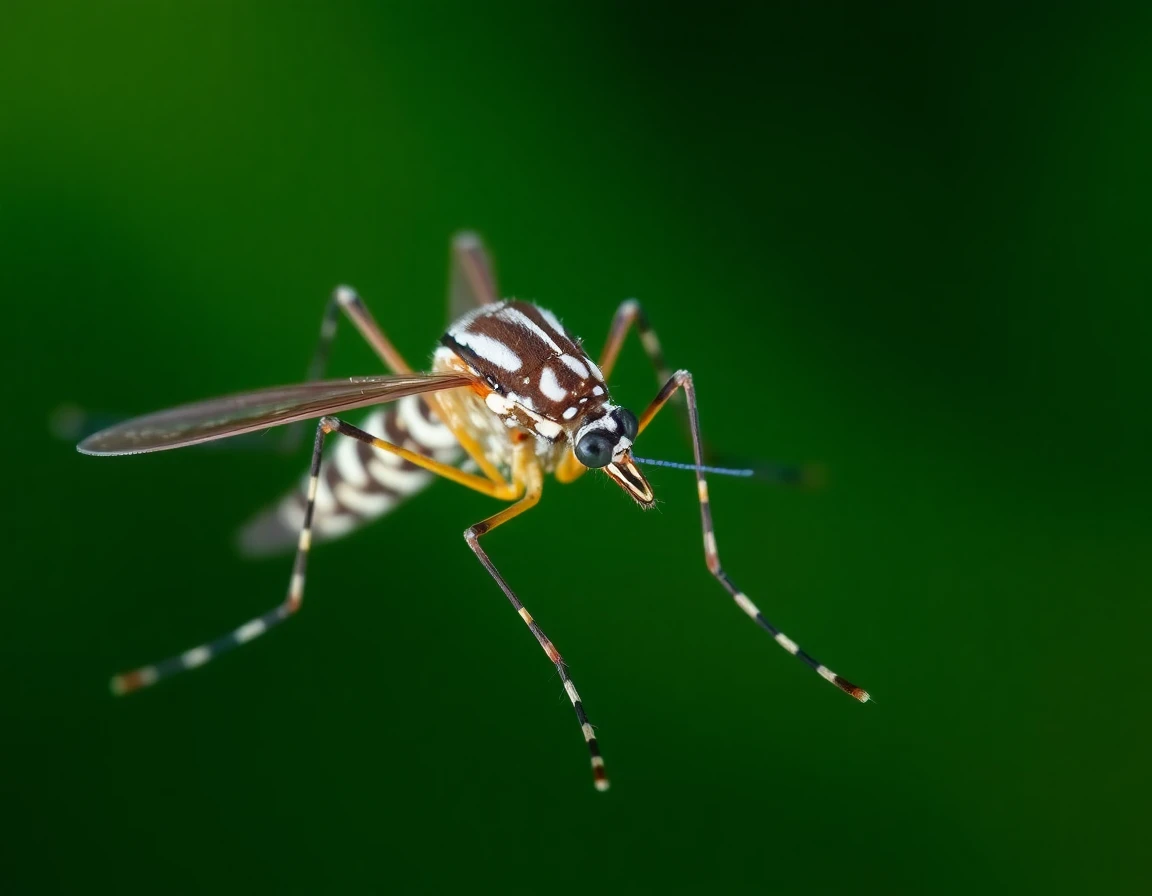
The Asian tiger mosquito (Aedes albopictus) is an invasive species originally from Southeast Asia that has become established across much of Europe over the past three decades. It was first detected in Switzerland in 2003, and its range has been expanding steadily. It is now confirmed throughout much of the western Swiss lowlands, including the cantons of Geneva, Vaud, Fribourg, and Valais.
Unlike the common mosquito, which is most active at dawn and dusk, the tiger mosquito bites throughout the day — making it a particular nuisance in gardens, parks, and outdoor dining areas from May to October.
How to Identify the Tiger Mosquito
The tiger mosquito is easy to distinguish from native mosquito species if you know what to look for:
Tiger Mosquito (Aedes albopictus)
- Small (4–10 mm)
- Distinctive black and white striped body and legs
- Single white stripe running down the thorax
- Active throughout the day
- Short flight range (typically under 200 m from breeding site)
- Bites are more painful than the common mosquito
Common Mosquito (Culex pipiens)
- Slightly larger (5–12 mm)
- Brown/beige body without distinct stripes
- Most active at dawn and dusk
- Longer flight range
- Bites often go unnoticed until afterwards
Health Risks
The tiger mosquito is a vector for several serious viral diseases, including dengue fever, chikungunya, and Zika virus. In Switzerland, the risk of contracting these diseases locally remains low, as the pathogens are not yet established in the Swiss mosquito population. However, the tiger mosquito can transmit viruses acquired from infected travellers returning from endemic regions — a risk that increases as the species becomes more widespread.
Swiss public health authorities monitor the spread of Aedes albopictus closely. The Swiss Tropical and Public Health Institute (Swiss TPH) coordinates national surveillance and citizen reporting. Even without disease transmission, the tiger mosquito's aggressive daytime biting significantly reduces the enjoyment of outdoor spaces and can cause considerable distress, particularly for young children.
Breeding Habits: Where Tiger Mosquitoes Reproduce
Unlike many mosquito species, the tiger mosquito breeds in very small volumes of standing water — as little as a few centimetres. This makes it highly adaptable to urban environments. Common breeding sites in gardens and around homes include:
- Flower pot saucers and watering cans left outside
- Bird baths and garden fountains (without a pump or regular cleaning)
- Blocked gutters and roof drains where water pools
- Tyres and other containers that collect rainwater
- Children's garden toys and paddling pools
- Bamboo stumps and hollow tree cavities
- Garden waste bags and tarps where water accumulates
Prevention: Eliminating Breeding Sites
The most effective way to reduce tiger mosquito populations around your property is to eliminate standing water. The female tiger mosquito lays her eggs at the water's edge in small containers, and larvae develop within 7–10 days in warm conditions. Regular inspection and action every week during the active season (May–October) is the key:
Weekly Prevention Checklist
- Empty and refresh bird baths and flower pot saucers
- Check and clear gutters and roof drains
- Store or turn upside-down any containers that could collect water
- Keep swimming pools treated and circulating
- Use window and door screens where practical
- Report suspected nesting sites to your municipality
Professional Treatment
Where breeding sites cannot be eliminated or where a significant population has established in a garden or outdoor space, professional larval treatment using biological control agents (such as Bacillus thuringiensis israelensis, a naturally occurring bacterium that kills mosquito larvae without harming other wildlife) can be applied to standing water that cannot be removed. Adult mosquito treatments using targeted sprays can provide rapid temporary relief in heavily affected outdoor areas.
Our team can assess your property, identify all breeding sites, and recommend and apply the most appropriate treatment solutions. We coordinate with cantonal authorities as required for reportable infestations.
Related services
Need a pest control expert?
Contact us for a free, no-obligation quote. We respond quickly throughout French-speaking Switzerland.
Get a Free Quote